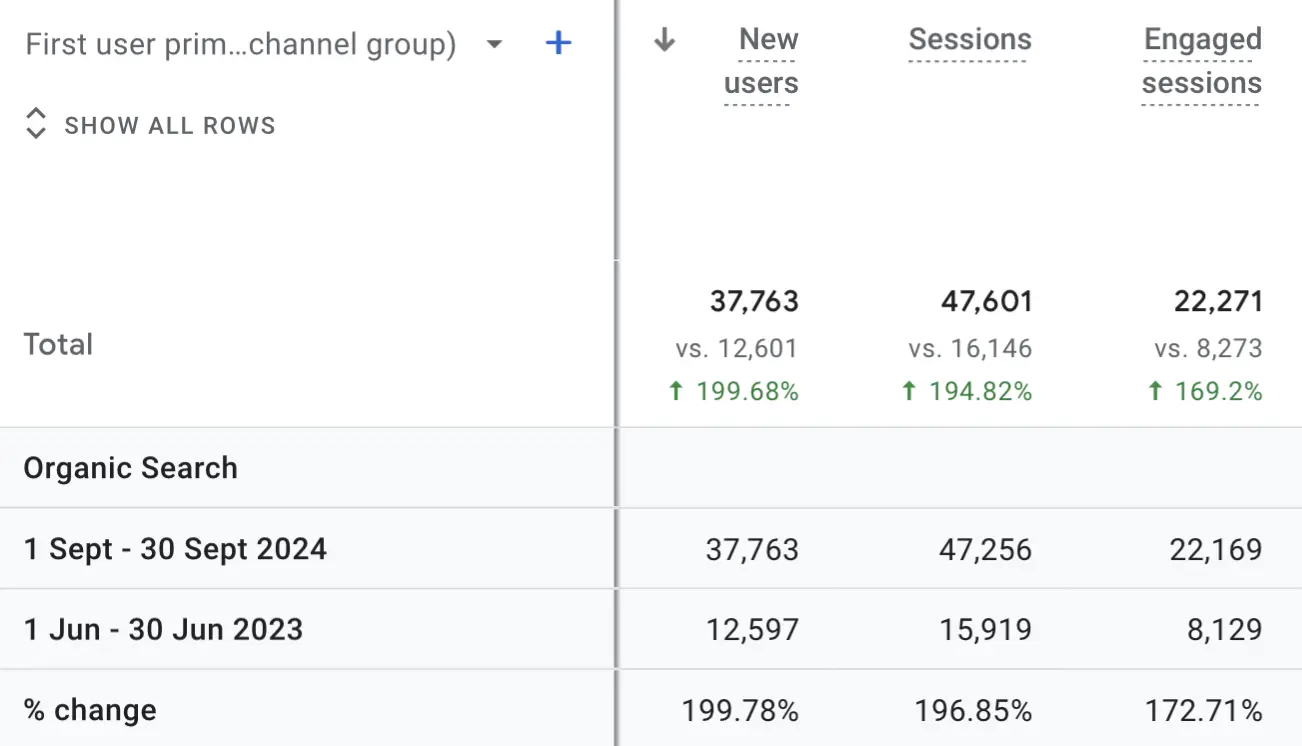
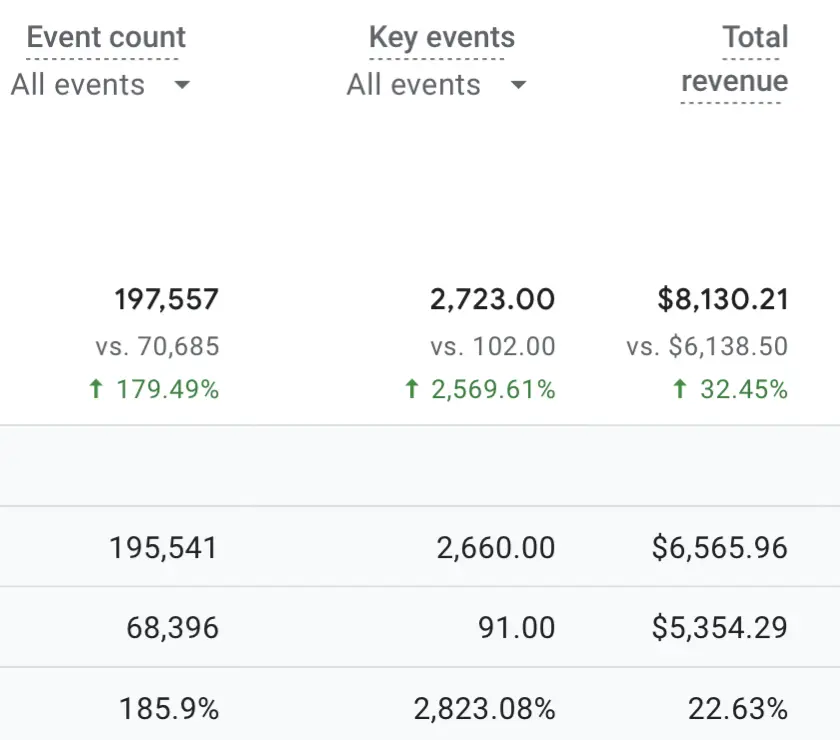
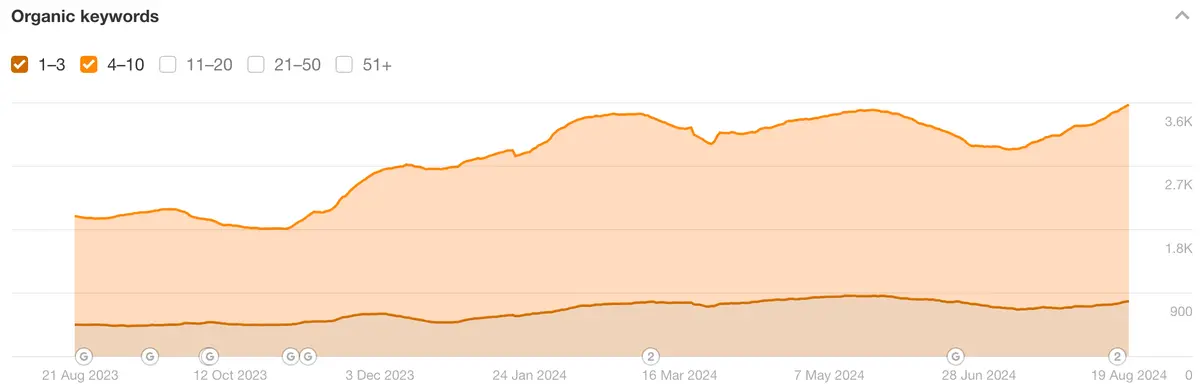
 The Objective
The Website History
The client has an eCommerce website selling industrial and commercial DIY equipment across the United States.
The Issues
- Low Conversion Rates. Despite decent rankings for some product-specific keywords, the site struggled to turn organic visitors into paying customers.
- Weak Link Profile. Competitors had a significant edge with a larger volume of high-quality, relevant links, making it hard for the site to compete effectively in search rankings.
- Underperforming Blog. While the blog attracted some traffic for informational queries, it wasn’t driving conversions due to limited internal linking and a lack of engagement-focused features.
- Duplicate Product Descriptions. The site relied on generic manufacturer descriptions, which were neither unique nor particularly helpful to potential buyers, undermining the user experience.
Course Of Action
Link Building
The recent surge in eCommerce SEO has made it more important than ever to know how to capture the key moments where you can put your website in front of your target audience. These crucial moments are referred to as “micro-moments.”
Securing “Where to Buy” Listings
A crucial link building opportunity was tapping into the widespread use of “Where to Buy” pages in the industrial and commercial equipment sector.
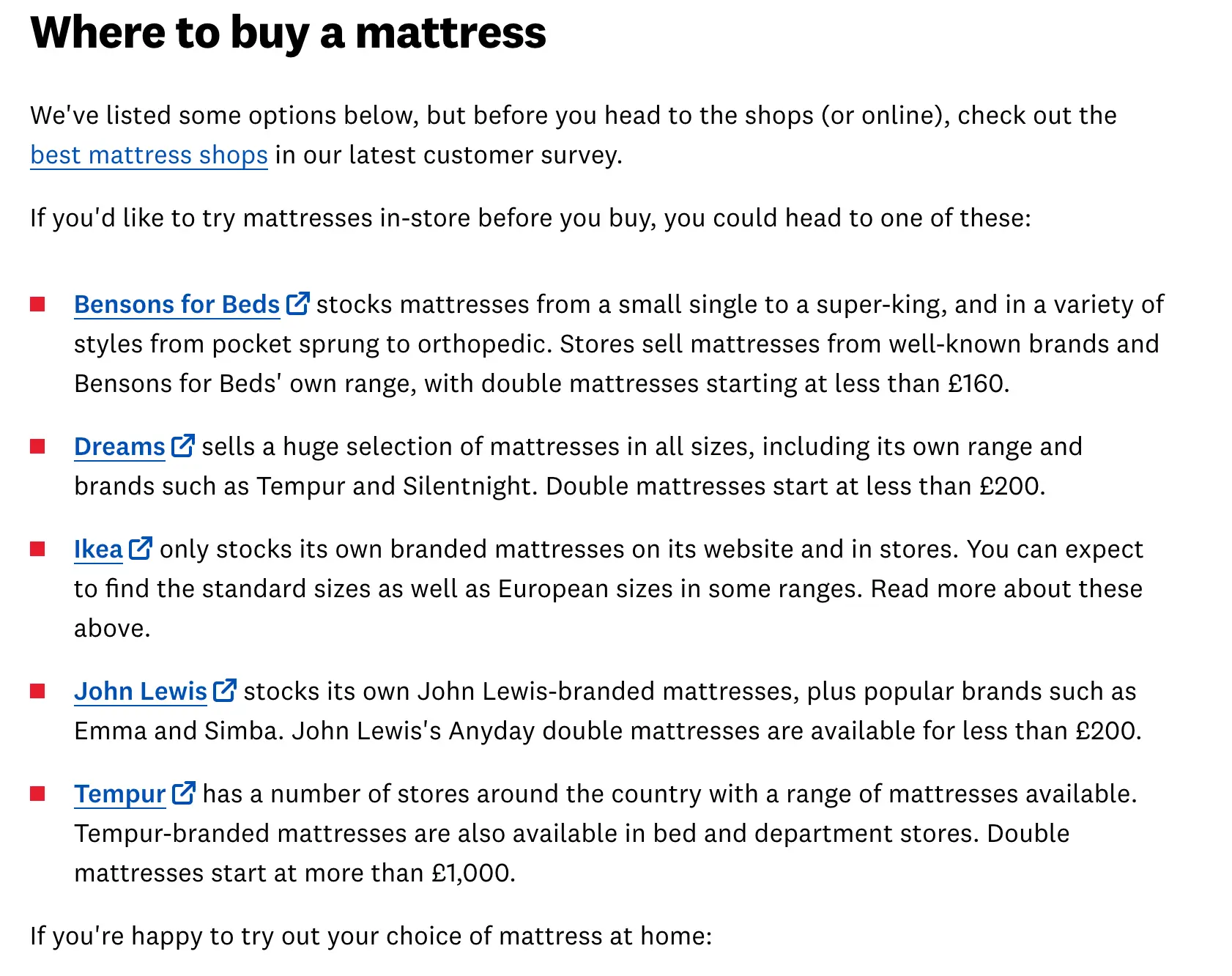
Here’s how to approach it:
- Targeting Relevant Sites. Identify supplier and manufacturer websites with existing “Where to Buy” pages and cross-reference them with your product range.
Look for established review and comparison sites that dominate search results. Be sure to pay attention to sites with “Where to Buy” sections or affiliate links to retailers. - Pitching to the Sites. Position yourself as a trusted and reliable vendor, highlighting your credibility and ability to meet customer needs.
- Earning Placements. By securing listings on these pages, you will gain high-quality, industry-relevant links that not only improve SEO performance but also drive qualified referral traffic from potential customers actively searching for your products.
This strategy provides a double win for eCommerce websites. First, it enhances the site’s authority. Second, it attracts highly targeted visitors ready to take action and make a purchase.
Leveraging Unlinked Brand and Product Mentions
The client’s growing visibility presented untapped opportunities in the form of unlinked mentions of their brand and products online.
To make the most of these mentions:
- Conduct a Thorough Audit. Use tools to find unlinked mentions of the client’s brand and products across blogs, news sites, and forums.
- Prioritized Opportunities. Prioritize high-authority and industry-relevant sites for outreach to maximize the impact of every link gained.
- Engage in Personalized Outreach. Contact the site owners or authors, explaining the benefits of linking to your site and how it would enhance their content’s value.
- Convert Mentions into Links. Many site owners responded positively, turning what were passive brand mentions into active, authoritative backlinks.
This approach effectively turned existing goodwill and recognition into concrete SEO value, strengthening the client’s search rankings and credibility in their niche.
How to Find Unlinked Brand Mentions
There are several ways to find unlinked brand or product mentions. The most popular two are:
- Google Alerts. The first method is setting up Google Alerts; it’s a free tool that allows you to find potential unlinked mentions. Once set up, you’ll also get notified whenever a website mentions your brand or product.
- Ahrefs Content Explorer. This tool is best for finding existing mentions from websites that don’t link to your website. While it’s a paid tool, Ahrefs Content Explorer comes with much more comprehensive filtering options, providing you with more detailed information on each website (i.e., its DR).
Driving Conversions Through the Blog
The goal of our content strategy wasn’t just to drive traffic to the blog. In today’s SEO landscape, that’s no longer enough.
The blog’s true value, especially in eCommerce SEO, lies in its ability to turn traffic into tangible results and conversions, such as new leads or sales.
That’s why we didn’t focus just on classic SEO optimization for keywords. We ensured that blog articles could also drive conversions. To achieve this, we focused our strategy on improving internal linking and enhancing the blog’s design elements.
Maximizing Internal Linking
To turn blog traffic into conversions, focus on guiding users toward product and category pages with strategic internal linking. This includes:
- Identifying Key Product Pages. By focusing on the most profitable and relevant products, you ensure internal links direct traffic to pages with the highest revenue potential, increasing visibility for high-conversion items.
- Strategically Placing Links. Include natural, keyword-rich anchors with internal links to seamlessly guide users from blog posts to relevant product and category pages. This approach improved user navigation while boosting page authority, helping the client’s key pages rank higher in search results and driving more conversions.
- Leveraging Content Hubs. Create topic clusters linking related blog posts and product pages, forming an interconnected web of content. This improves engagement, encourages users to explore more, and channels traffic to money-making pages, contributing to a noticeable lift in conversions.
Adding Product Widgets and Optimizing Navigation
To make the blog more interactive and conversion-friendly, incorporate engaging features to enhance usability:
- Product Widgets. Display key products mentioned in blog posts as clickable widgets, showcasing pricing, features, and links to product pages. This provided readers with immediate purchase opportunities without needing to leave the blog.
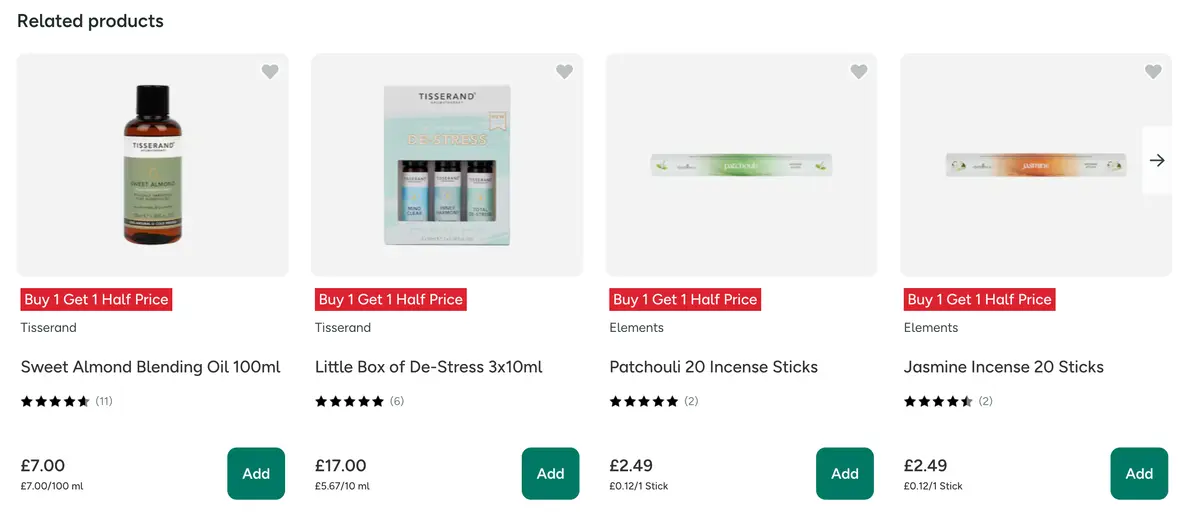
- Related Posts Section. A “Related Posts” feature keeps users engaged with other relevant content, increasing time on site and encouraging deeper exploration of the client’s offerings.

- Streamlined Navigation. Organize blog categories and tags to make content easier to find, aligning with user intent and simplifying the journey to product pages.
These enhancements transformed the blog into a powerful tool for driving conversions while offering an improved user experience.
AI-Powered Product Description Optimization
Product descriptions are critical for eCommerce success. They not only inform potential buyers but also influence purchasing decisions and improve SEO rankings.
Unique, compelling descriptions help your products stand out in search results and appeal directly to your audience. But writing descriptions for thousands of products is a steep mountain to climb. Using AI to generate descriptions can help.
Why Use AI for Product Descriptions?
AI tools offer two primary advantages when creating product descriptions:
- Generating Unique Content. AI can rewrite repetitive manufacturer descriptions into customized, appealing content that speaks directly to your customers.
- Scaling Efficiently. AI can produce descriptions for hundreds of products quickly, saving time while maintaining quality.
Optimizing Product Descriptions with AI
Revamp your product descriptions using an AI-driven strategy to deliver unique, engaging, and customer-focused content. This allows you to overcome the limitations of generic manufacturer descriptions, offering customers more value:
- Avoiding Duplicate Content. Copying the original product descriptions manufacturers can hurt your SEO. AI tools help generate unique, search-optimized descriptions that improve visibility.
- Highlighting Value Clearly. AI-enabled descriptions emphasize specific features, benefits, and use cases tailored to your target audience. For instance, a tool description might shift from “durable design” to “built with reinforced steel for heavy-duty construction projects.” This added precision makes the products more appealing.
- Building Trust and Engagement. By addressing customer concerns directly in the descriptions - such as durability, ease of use, or warranty - you create a sense of reliability and professionalism, encouraging users to take action.
- Connecting with the Audience. AI allows you to craft descriptions that resonate with customers’ needs and emotions, turning product features into tangible benefits. This customer-first approach improved conversions significantly.
By implementing this strategy, the client’s product pages saw improved rankings for product-specific keywords and higher engagement rates, with reduced bounce rates on key pages, which eventually led to increased conversions.
How to Write Effective Product Descriptions With AI?
Using AI to generate product descriptions can drive exceptional results. Although AI tools provide much faster outputs than writing manually, generating AI content requires your input to make it effective and of high quality.
Here are some quick tips for writing compelling product descriptions with AI:
- Know Your Audience. Tailor descriptions to the needs and preferences of your target customer.
- Match Buyer Awareness. Use concise details for informed buyers and add more context for those needing extra guidance.
- Highlight Key Features. Focus on unique selling points and how they benefit the user.
- Include Specs. List essential technical details clearly.
- Answer FAQs. Address common questions and provide usage or care instructions.
- Use Clear Formatting. Break content into sections, use headings, and add bullet points for easy readability.
- Add Visuals. Include images and videos to showcase the product in use.
- Stay Concise. Keep descriptions scannable and focused for better engagement and conversions.
By following these practices, you can use AI effectively to create engaging, informative, and conversion-focused product descriptions that cater to your audience’s needs while enhancing the user experience.